


Our high-quality service ensures children develop socially, intellectually, culturally, physically and emotionally in a homely, caring and secure environment.


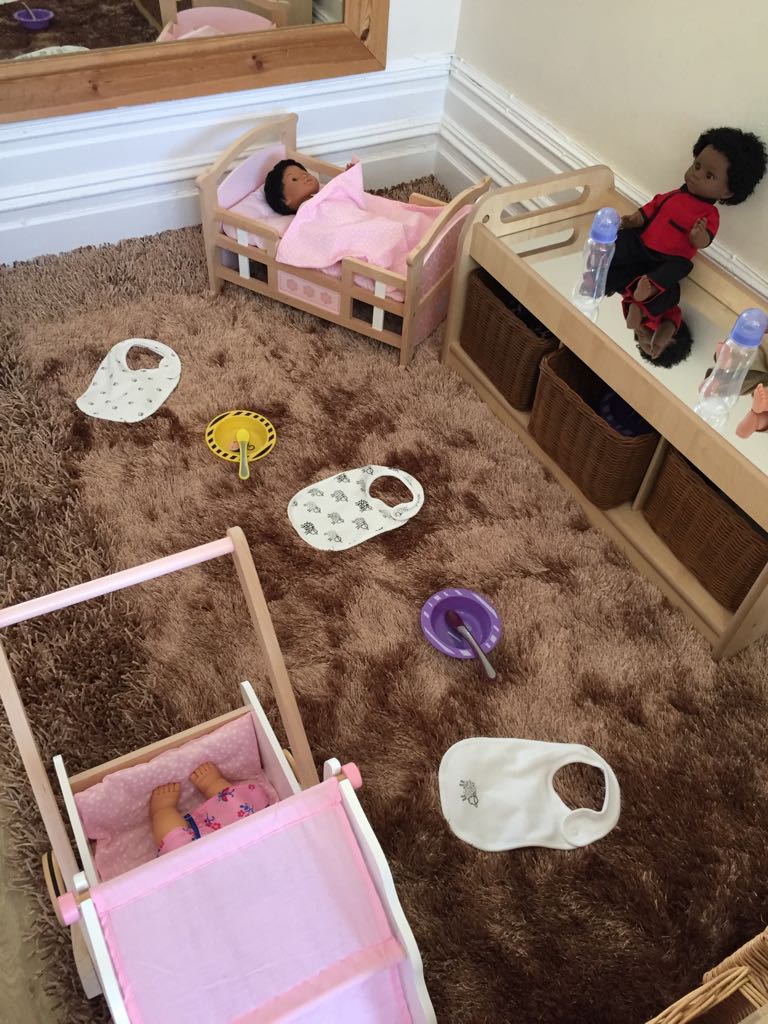
Our environment and development programmes are tailored for each age range, providing a range of activities including, language and communication, technology skills and emergent reading and writing. This helps to prepare children for their next steps in education. Our curriculum meets the EYFS (Early Years Foundation Stage) and the Cambridgeshire Local Authority funding requirements.
We know that fabulous staff make a great Nursery and we pride ourselves on having a highly qualified, trained and skilled team. Staff are encouraged and supported in developing their skills by studying for higher level Childcare qualifications. All staff undertake mandatory training in Safeguarding, Paediatric First Aid, Health, Fire and Food Safety.
We are proud to have been voted the 14th best place to work in the whole of the UK.
We monitor the overall quality standards of our provision, in line with the requirements of the EYFS.
Taking care of our staff and their wellbeing is of prime importance to us. We are proud to have been honoured with a Glassdoor Employees’ Choice Award, being ranked 14th in the whole of the UK. The Employees’ Choice Awards recognises the Best Places to Work in 2020, and is based solely on the input of employees, who elect to provide feedback on their jobs, work environments and companies on Glassdoor, one of the world’s largest job and recruiting sites.
No one knows your child better than you, so our partnership with parents is integral to our way of working. We hold termly parents’ meetings ensuring you have the time to discuss your child’s individual needs and progress with their appointed key person. However, our ‘open-door’ policy means that parents are welcome to come and speak to us at any time. We promote home learning, and encourage parents to participate and contribute to their child’s development, sharing information on a daily basis.


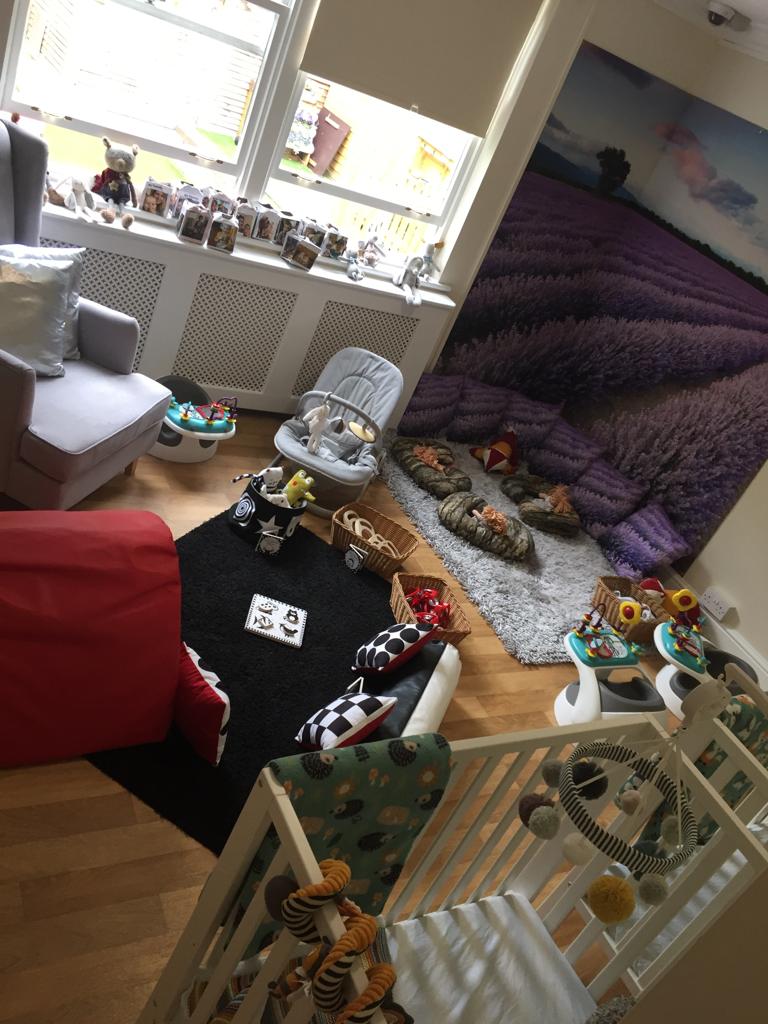
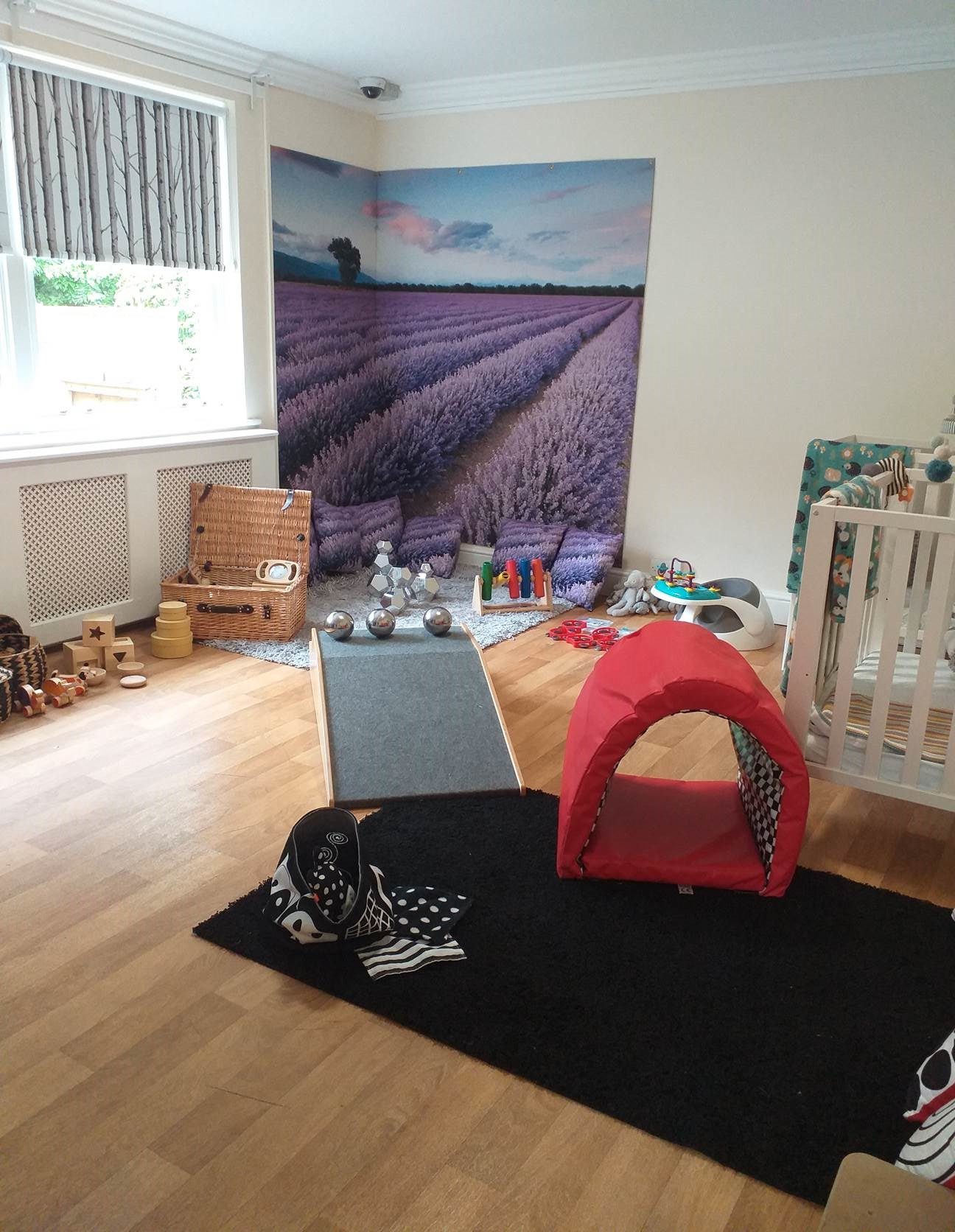
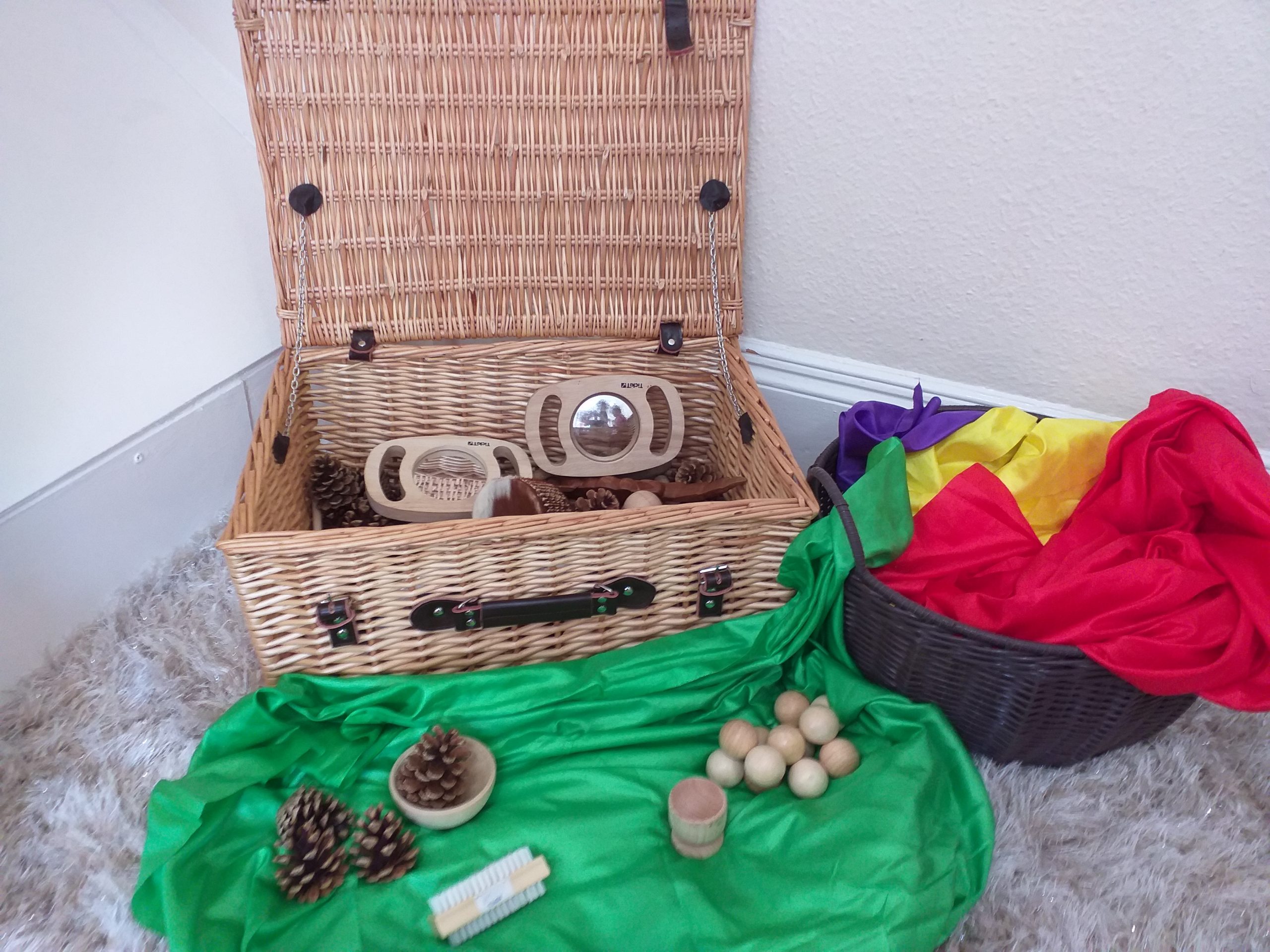

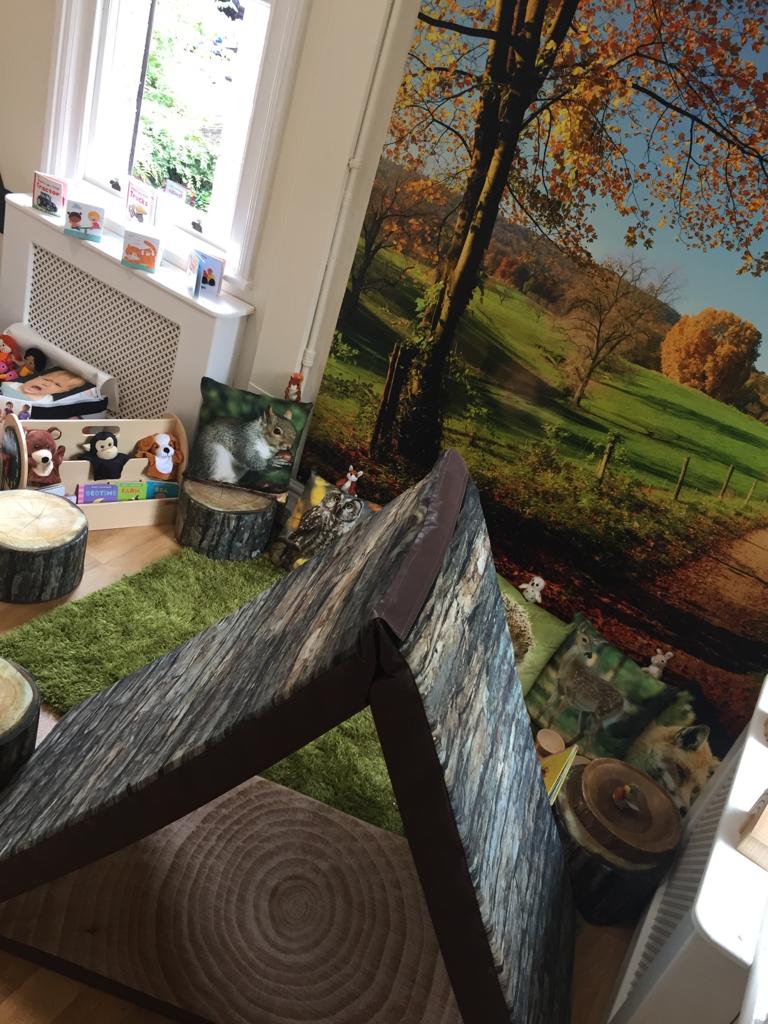
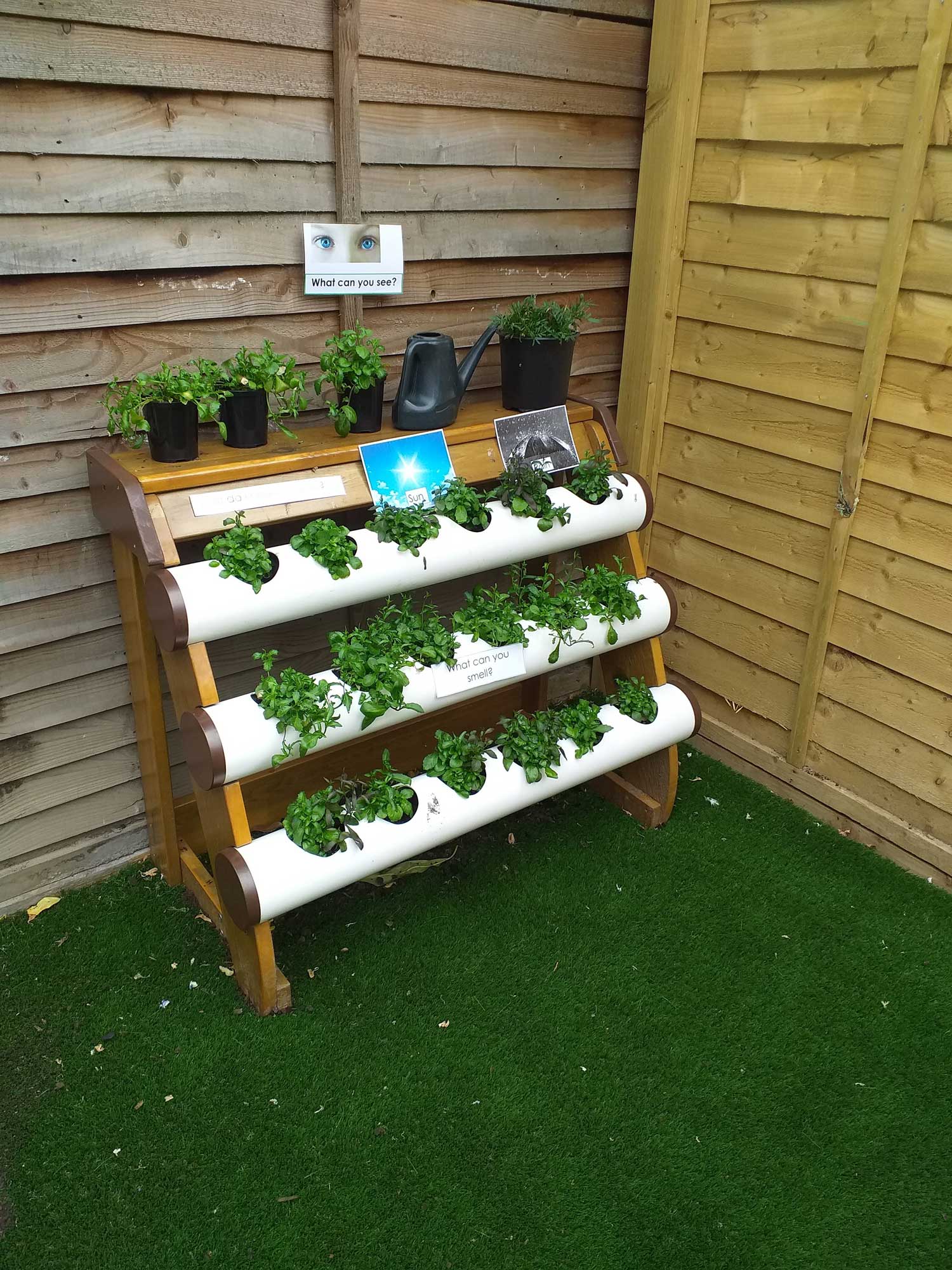
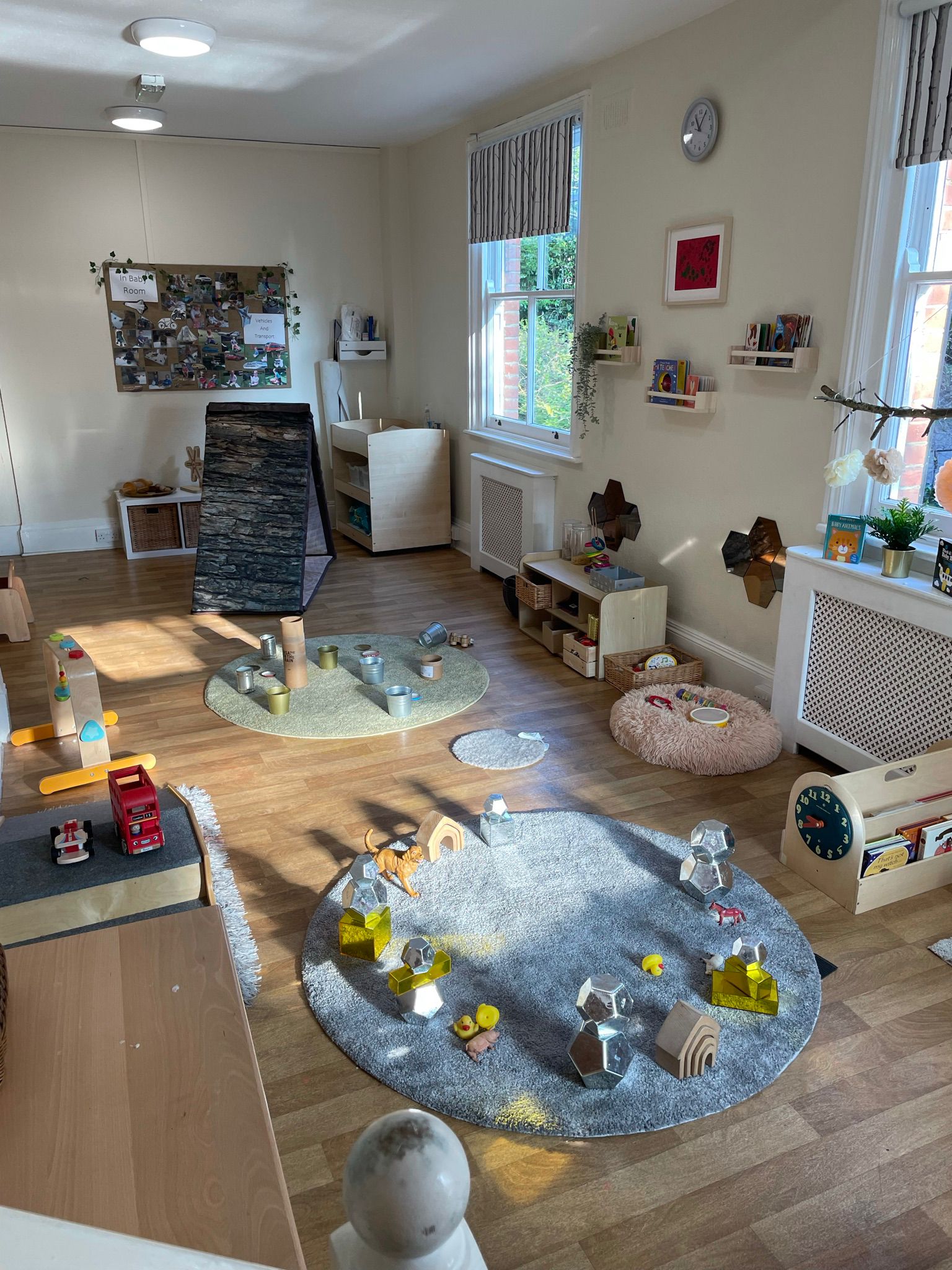
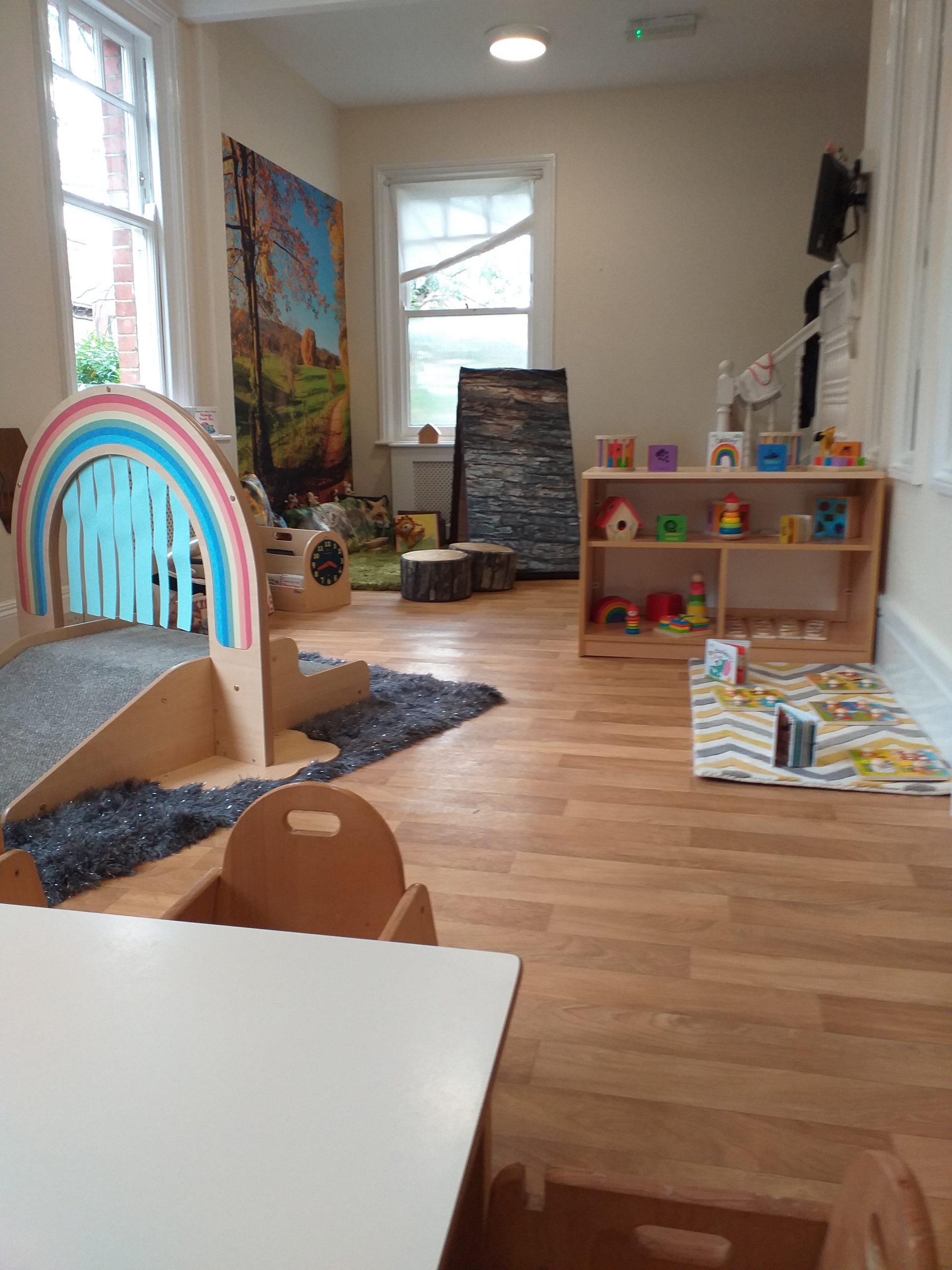
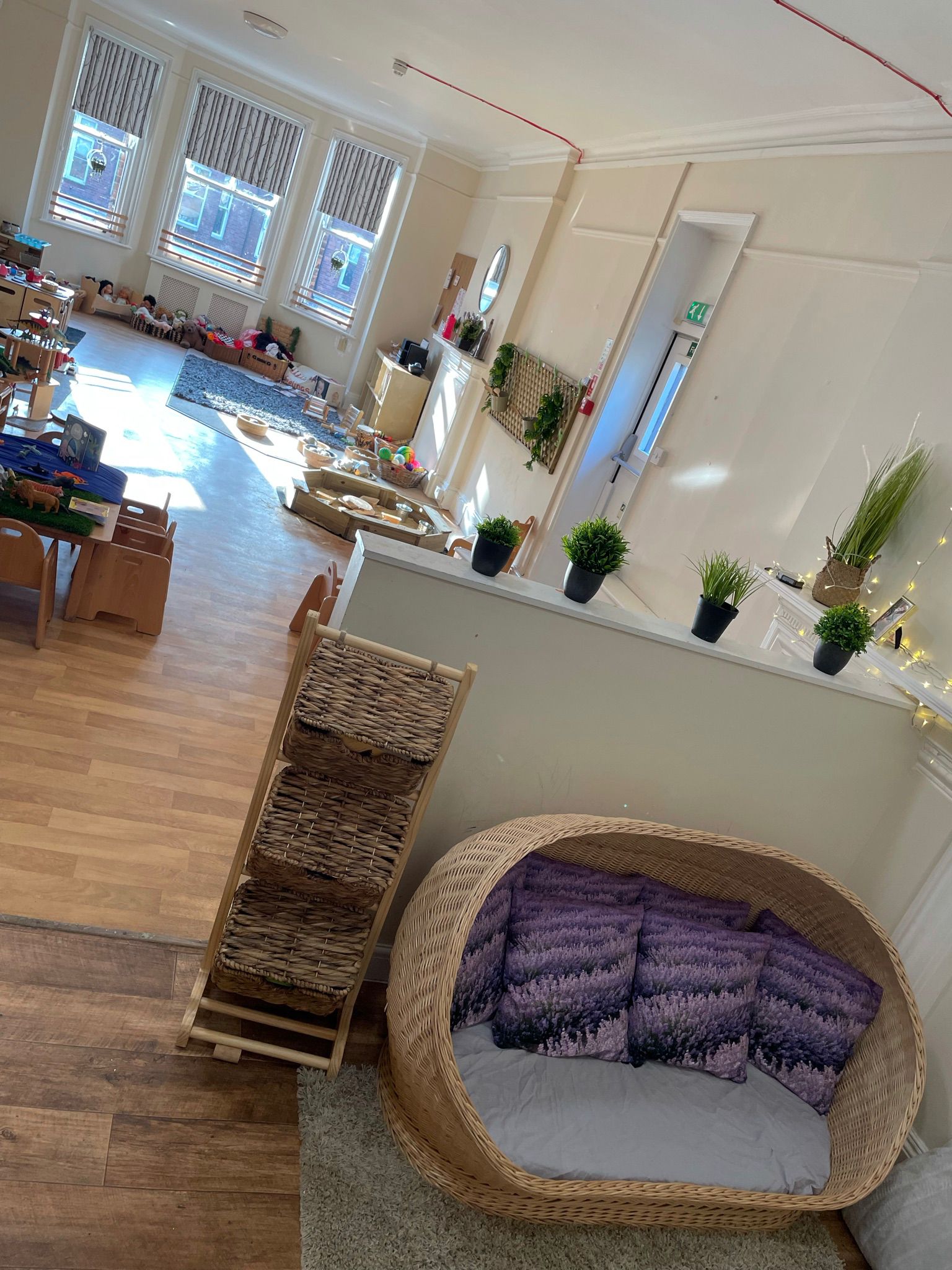

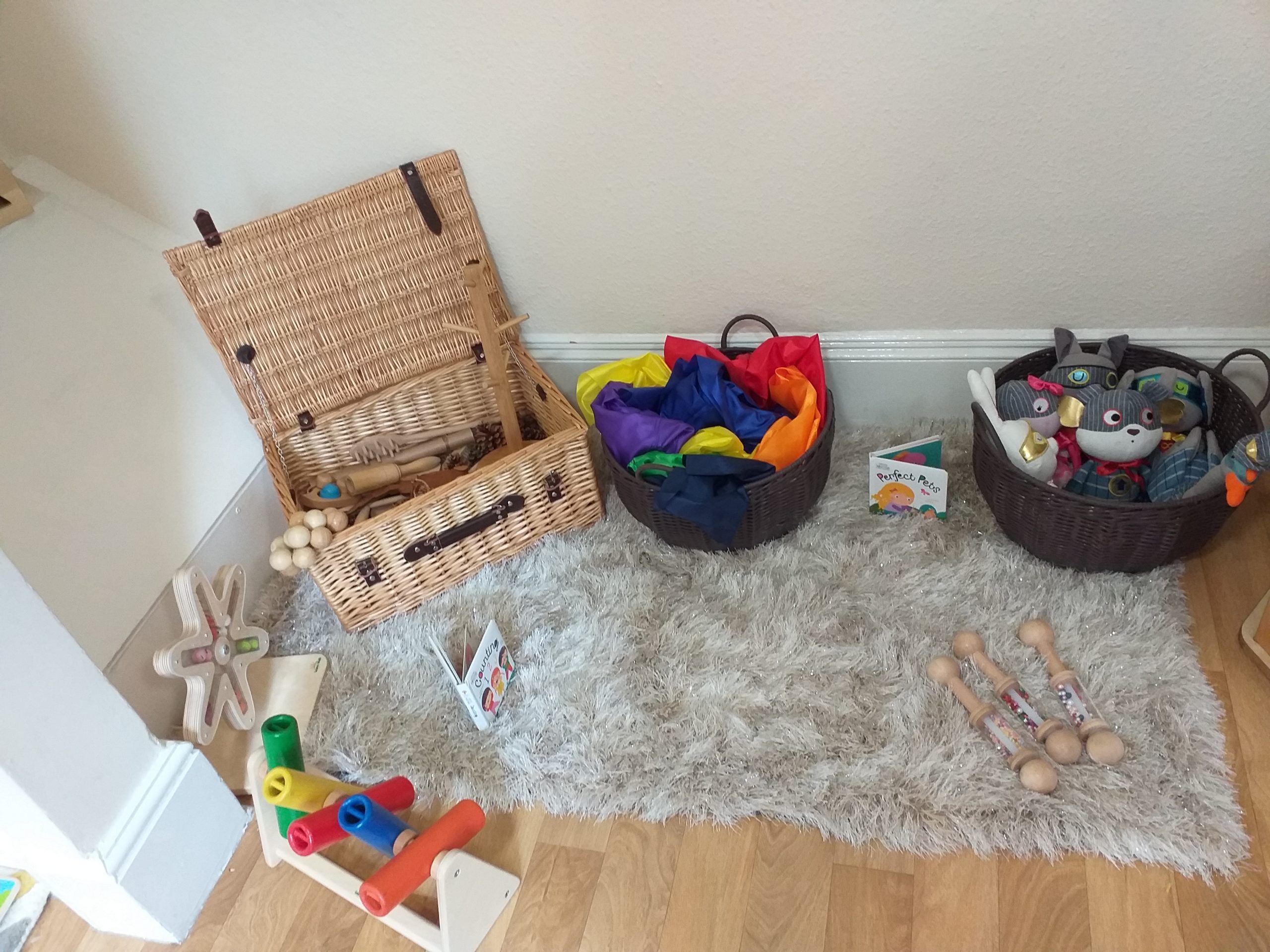
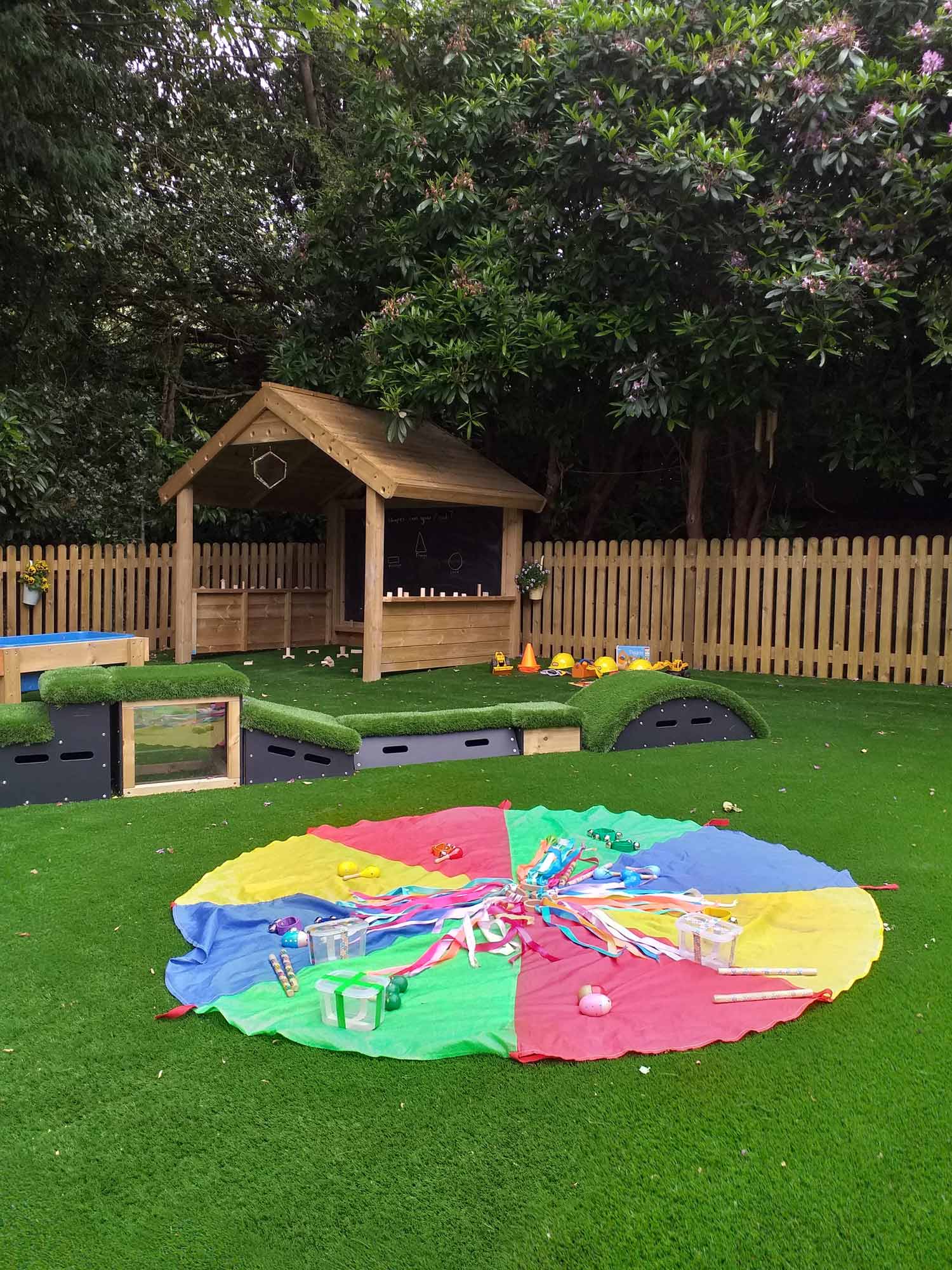
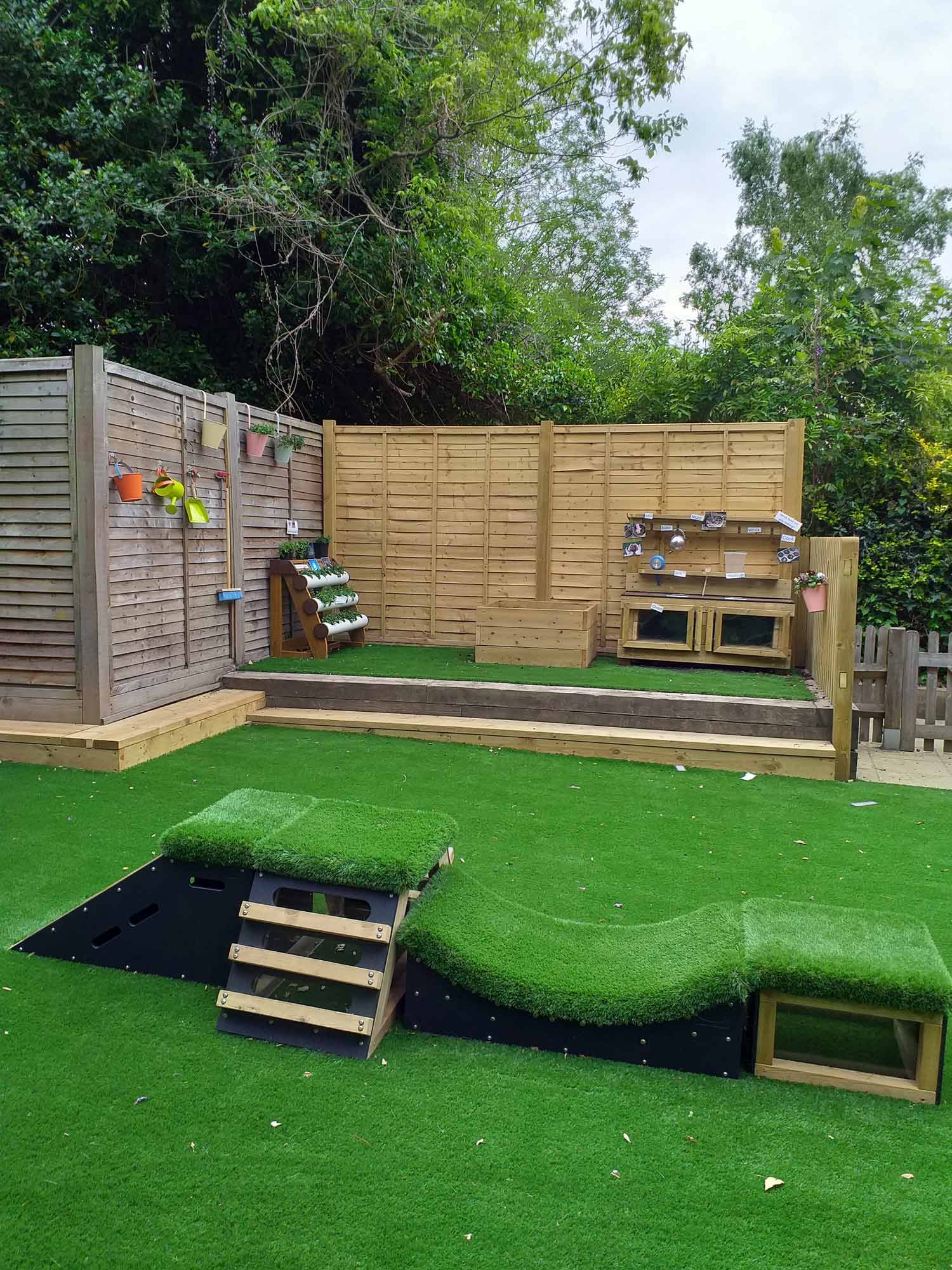

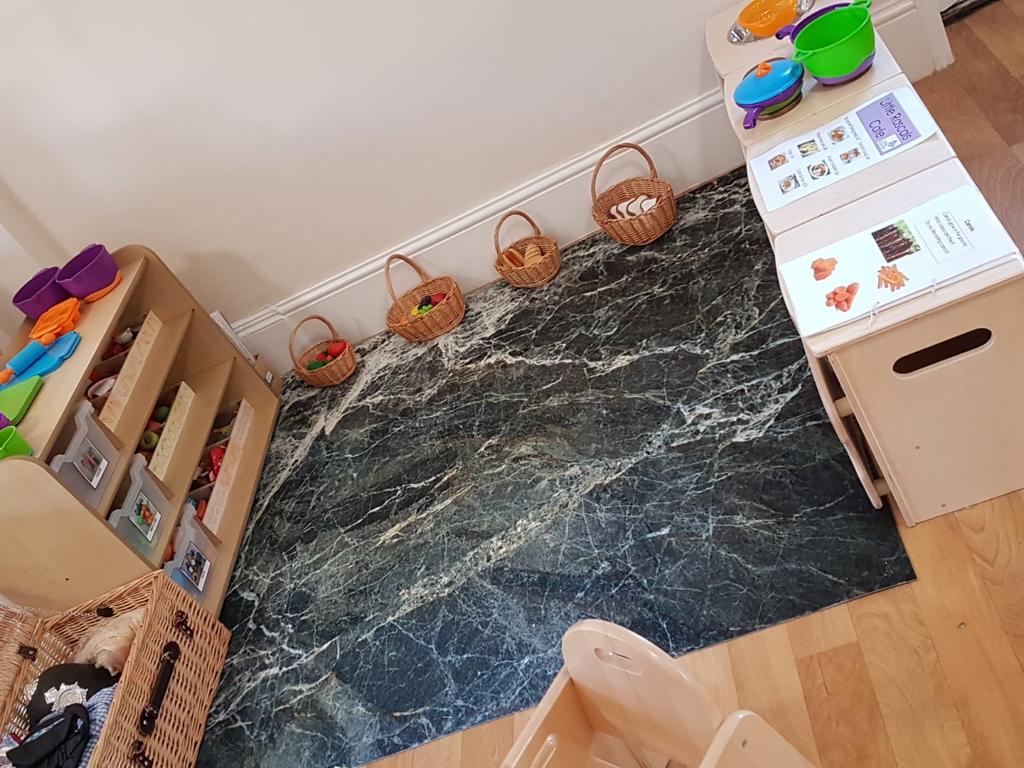

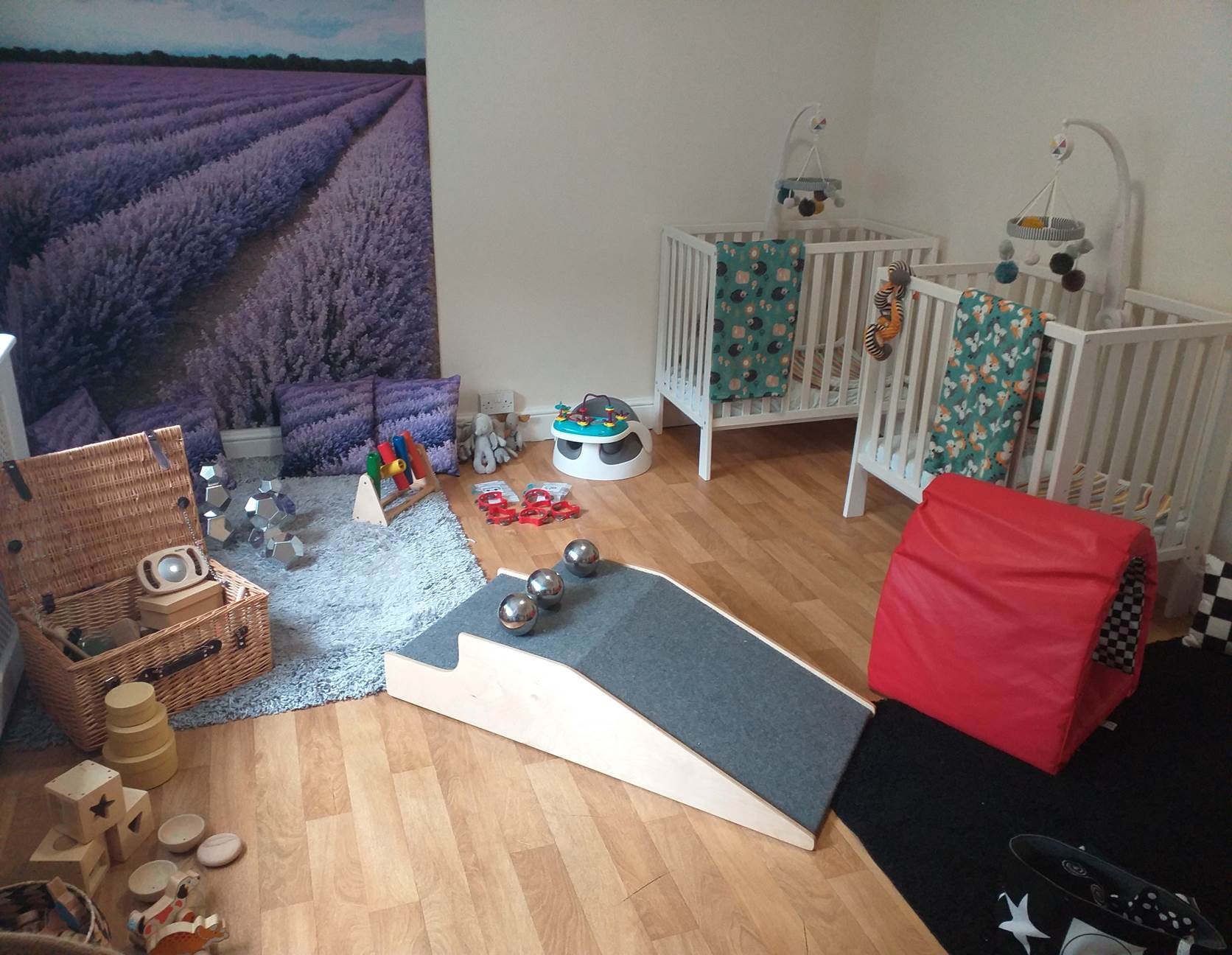
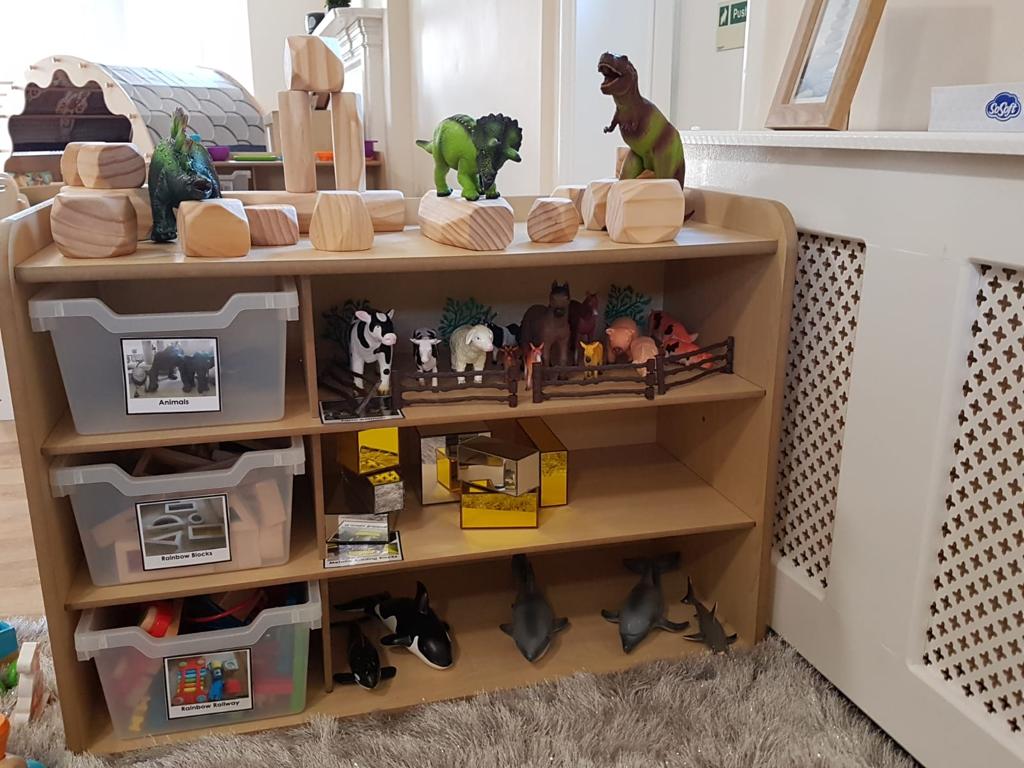
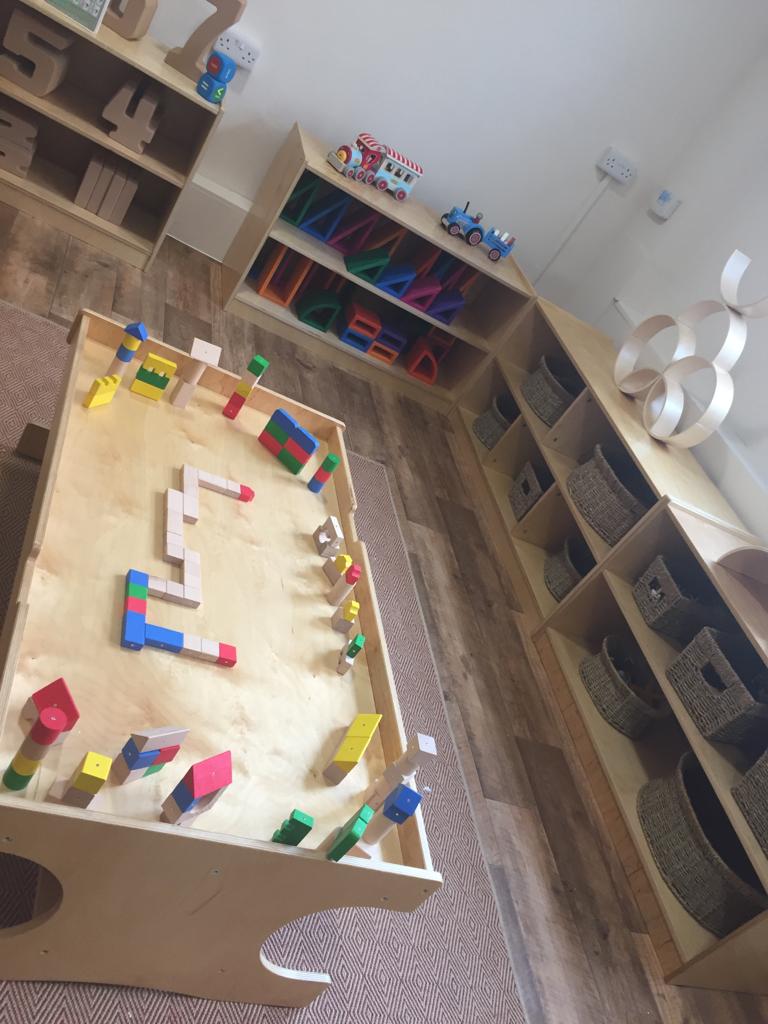
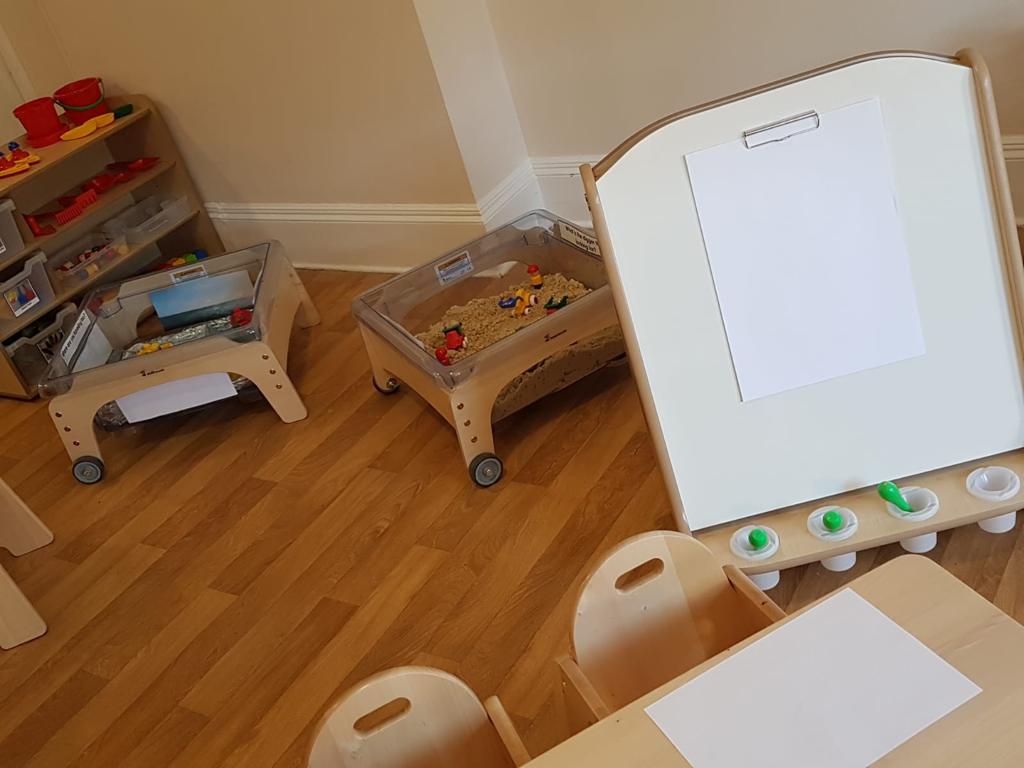
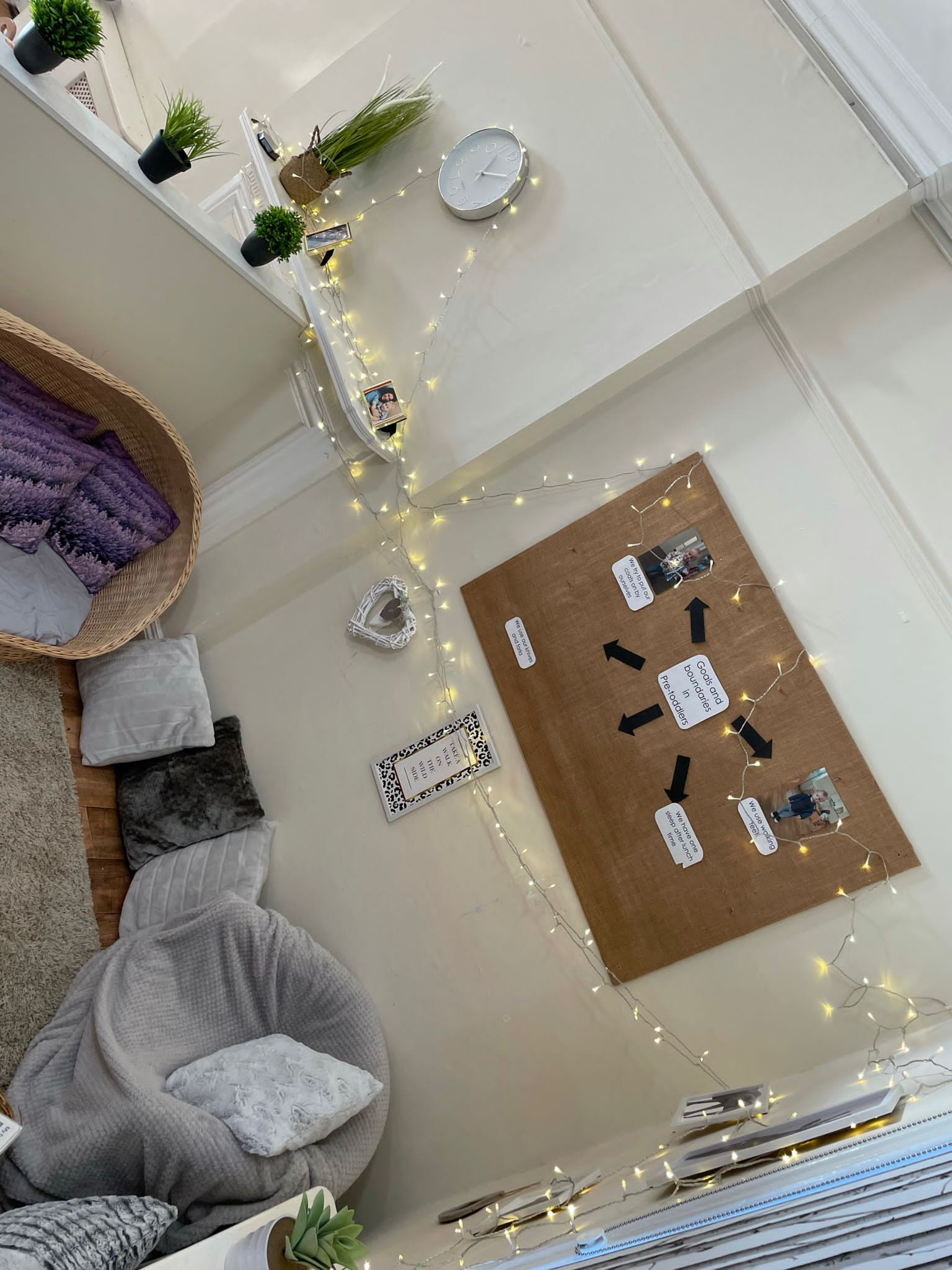

We incorporate all seven areas of learning into the early years curriculum, ensuring the children have a well prepared, inviting, and stimulating environment. Staff provide a range of activities to cater for children’s individual interests and development needs, working towards the Early Years’ Outcomes – Early Learning Goals, across all areas of the curriculum.
At Little Rascals Nursery, we operate a Key Person system. Your child will have an individual Key Person who will observe progress and development. The Key Person approach gives every child the reassurance to feel secure and cared for, helping them to become familiar with the Nursery environment and to feel confident and safe within it.
efforts and achievements and believe that strong, secure relationships between adults and children are crucial for your child’s development
The Key Person meets the needs of each child in their care and responds sensitively to their feelings, ideas and behaviour.
All early years providers are required to meet certain standards set out in the Early Years Foundation Stage (EYFS). One of the requirements is that members of staff use ongoing observations to monitor how your child is developing and then use this information to plan a challenging and enjoyable experience in all areas of their learning and development.
Our method to help with planning and keeping track of progress is using an individual progress tracker. The tracker is divided into each area of learning and development, setting out the child’s progress across the prime and specific areas of learning from birth to five years.
Upon joining our nursery, your child will be issued with a Learning Journey. Over time, this will build up a picture of your child’s journey through the Early Years Foundation Stage framework. Your child’s key person will add different documents to the Learning Journey which provide a record of your child’s learning and development during your time with us.
You will be able to see, at a glance, your child’s stage of development and the activities they will be involved in next at the nursery. The Learning Journey will include direct observations, art work, photographs and home observations, which are used to provide your child’s key person with the relevant information required to impact your child’s learning and development. All of this information is used to ensure we plan activities that will fully engage your child, based on their current interests.
These treasured memories, collated in the Learning Journey, will be available for your child to review at any time at nursery, enabling them to reflect and recall past events with their key person. They are stored in an accessible place in your child’s room for you to access also.
When leaving the nursery, the holistic recordings of your child’s learning and development journey will be yours to keep and treasure for years to come.
The statutory framework for the Early Years Foundation Stage (DFE, 2017) focuses on how your child learns and what adults can do to encourage that learning. It identifies three prime areas, which are considered to be fundamental through the EYFS, and four specific areas which include essential skills and knowledge and provide important contexts for learning.
Ongoing assessment plays a very important part in recognising and understanding what a child needs. It involves practitioners observing your child to understand their level of achievement, interests and learning styles.

involves helping children to develop a positive sense of themselves, and others; to form positive relationships and develop respect for others; to develop social skills and learn how to manage their feelings; to understand appropriate behaviour in groups; and to have confidence in their own abilities.
involves providing opportunities for young children to be active and interactive; and to develop their co-ordination, control and movement. Children must also be helped to understand the importance of physical activity and to make healthy choices in relation to food.
involves giving children opportunities to experience a rich language environment; to develop their confidence and skills in expressing themselves; and to speak and listen in a range of situations.
involves encouraging children to link sounds and letters and to begin to read and write. Children must be given access to a wide range of reading materials (books, poems, and other written materials) to ignite their interest.
involves providing children with opportunities to develop and improve their skills in counting; understanding and using numbers; calculating simple addition and subtraction problems; and to describe shapes, spaces and measures.
involves guiding children to make sense of their physical world and their community through opportunities to explore, observe and find out about people, places, technology and the environment.
involves enabling children to explore and play with a wide range of media and materials as well as providing opportunities and encouragement for sharing their thoughts, ideas and feelings through a variety of activities in art, music, movement, dance, role-play and design and technology.
We offer a range of unique educational experiences which enable children to become successful, lifelong learners including:
which allow children to experience social activities outside the nursery setting
which promote your child’s well-being and confidence, including Emotions Boxes , Family Boxes and Chatterboxes


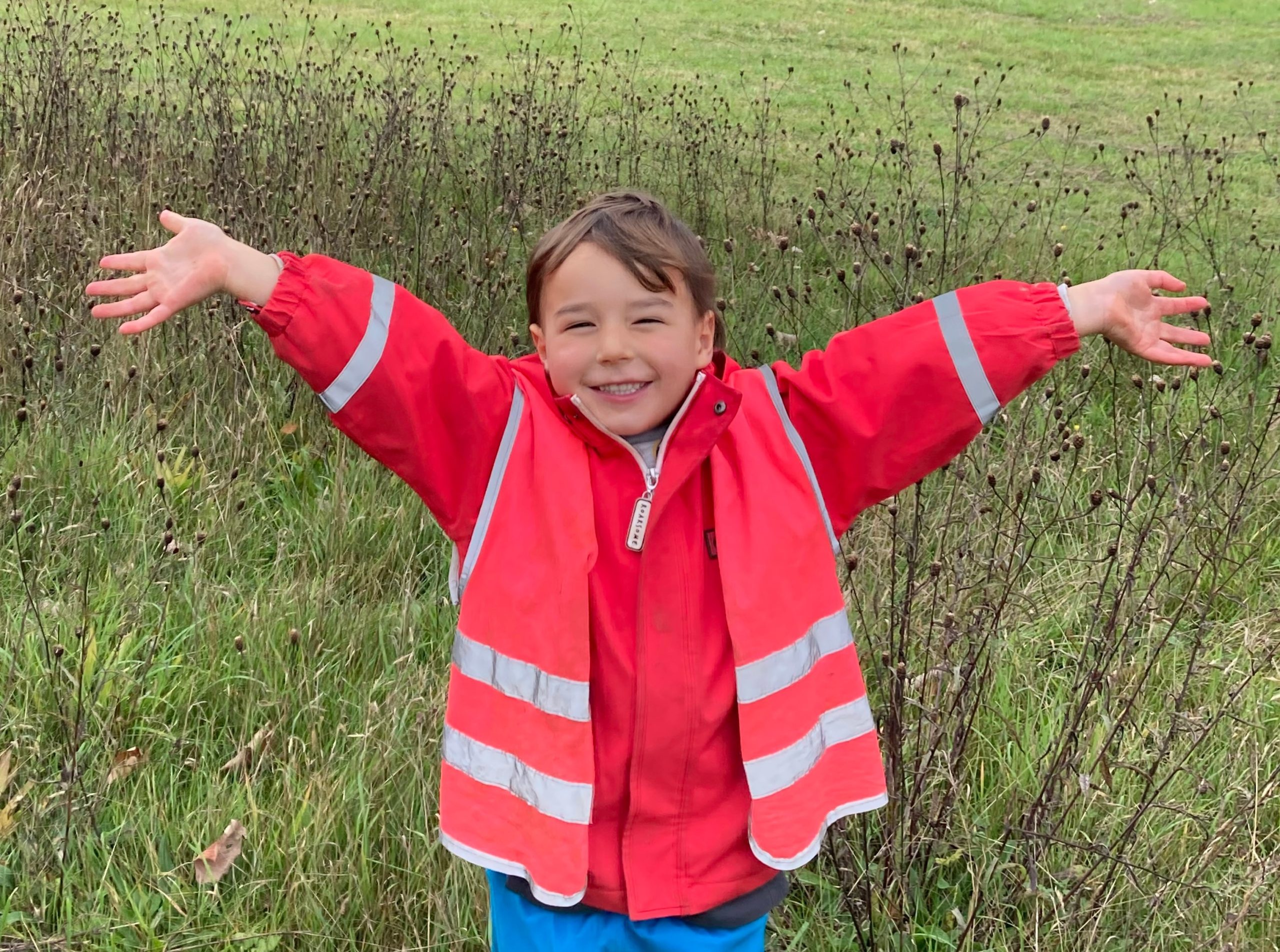
We are pleased to offer a welcome bonus to successful new starters joining our team.
Alongside competitive benefits and opportunities to develop, it’s our way of saying we value the people who choose to work with us.
Applies to L3 Nursery Practitioners and above.
Call us at 01892 313245 to find out more! (T&Cs apply*)
At our nursery, children over two years of age take part in a fun fitness session every day at around 9:00am, and younger children are invited to join in with the session if they wish to do so. This exciting five-minute session is part of our Nursery’s everyday routine and ensures children’s brains are engaged, and they are alert and ready to learn.
Research has shown that when children are carrying out cross-lateral movements, this encourages the two sides of the brain to communicate. In turn, this strengthens the nerve-cell pathways linking both sides of the brain, making it easier for children to learn and absorb information and skills from activities. Other benefits of exercise for children include, healthy heart and lungs, strengthening of muscles and bones, as well as providing relaxation and developing co-ordination.
The Wake Up and Shake Up songs which accompany these sessions, encourage health and well-being and link in with the Early Years Foundation Stage areas of learning, particularly Physical Development and Communication and Language – both prime areas of learning for young children.
Music and movement sessions teach children to move with control and confidence whilst encouraging them to become more aware of the space around them. It also provides the opportunity for children to learn about their bodies and what they can do.
Practitioners use facial expressions and a voice that shows interest and excitement, together with lots of language, to engage babies whilst they explore and discuss the boxes.
Our Weather Boxes have been specifically designed for all age ranges to provide additional learning and development opportunities outside of the classroom environment. From story times and mark making, to mobile mud kitchens and science and investigation, these boxes have it all.
The boxes have been dynamically designed to provide everything our practitioners need to effectively carry out the activities contained within the box. Children are given the free choice as they enter the garden or head out for their walk, to choose which, if any boxes, they would like to access. Each adult-led activity using a Weather Box provides cross-curricular learning for children of all ages and covers the breadth of the Early Years Foundation Stage Curriculum.
Outside of the Early Years Outcomes, our children learn the importance of looking after the environment around them. They are encouraged and effectively supported in playing and exploring, actively learning, and questioning ‘the norm’ with their skills of creativity and critical thinking. This is all achieved through the use of a Weather Box and the interaction and teaching from our practitioners.
Our nursery features a ‘Chatter Approach’ in the walk up to, or reception area of the building. The chatter approach is designed to promote each child’s communication and language development through a series of visual prompts they can explore. These may include a range of images, questions or small challenges to complete and share with their peers/key person within the setting.